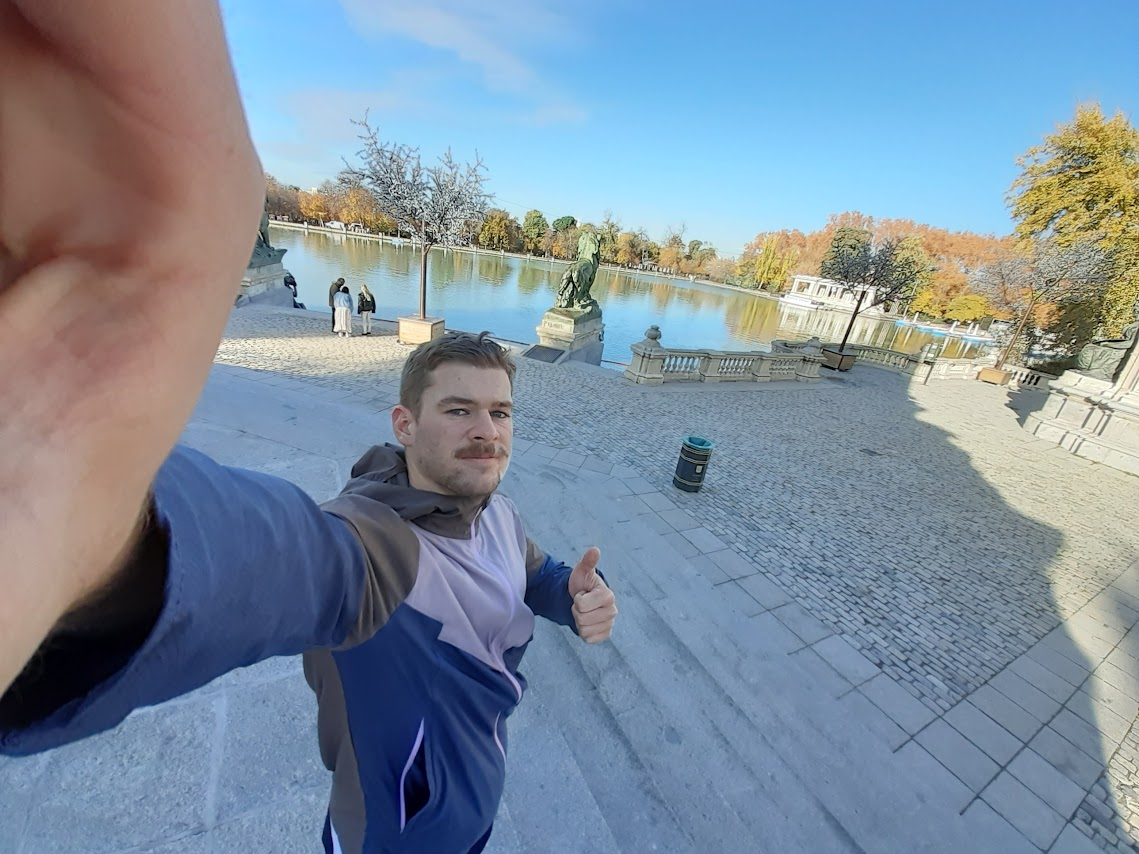

After our 19km run last Sunday, my friend Lachie turned to me and said, “Do you reckon I can do a half marathon next week?”
He started running in March this year.
How is it that people can go, as the cliché goes, from couch to 5k? Or, like Lachie, couch to half-marathon? Many people will say that Lachie might just be ‘more motivated’ or ‘more driven’ than other people, or that he might enjoy it more than others.
The truth is, I forced him to do it, and the run sucked.
I had never run in that location before. So, the 250m of elevation gain took both him and me by surprise, as well as the wetlands that we had to run through at kilometre 6. Despite being soggy and sore we pushed through.
For what reason would someone willingly subject themselves to that sort of torture? What motivates a person to do that sort of thing?
You might have heard that running is 50% physical and 50% mental. I’d agree, but the mental side of it isn’t purely motivation. I say running is about 1% motivation. You don’t need to watch a video of David Goggins shouting at you, every time before you run just to get fired up enough to lace up. I actually think that might do more harm than good.
The other 49% of the mental side of running is habit, accountability and fun.

Instead of motivation, try these:
1. Build good running habits
Consistency is key to running. I’ve got quite a few friends who I’ve coached into running over the years, and they all attribute their success to the consistency that I’ve drilled into them. Over and over again I repeated the phrase “even if you do 10 minutes per day, that’s better than 0 minutes”.
I think it’s true and it will work for you. It will probably suck. You might not even be able to run for 10 minutes and that’s ok. Get out there and do 10 minutes of exercise, whether that’s walking, walk/jogging, or doing a light jog.
The other side to building good habits is making them achievable. 10 minutes per day, 3 times per week is achievable for just about anyone, unless in those 10 minutes you run your heart out.
Don’t run hard. Run easy. Stop to walk if it’s too hard.
And never worry about other people judging you – building a new running habit isn’t always pretty, but once you have the habit it gets a lot prettier. And developing the habit is honourable in itself too.
Of course, unless you have time constraints, you should try to scale up your running as you go. Add in an extra day of running. Run for one minute extra. Run up a hill. These are all great options for progressively improving and building on your habit. I’ll write a separate article on progressive overload later, to help and advise you, once you have your running habit locked down.
2. Get a friend involved
Getting the running habit is a good chunk of the mental side of running out of the way, as you’ve now got running integrated into your regular routine. But what happens when life gets tough? When it’s raining outside? Or when your social group invite you somewhere and you’re supposed to be running?
The answer is to make running social. A coworker, housemate, spouse can all be great supports in your running, and (if you’re lucky) can even join in on your journey.
Offer to support them in their journey, to keep each other accountable (do daily or weekly check-ins!) and best of all, schedule to run together, so you’re not sacrificing your social life to go run.
Too many people think running has to be lonely and boring. Accountability takes care of this, and the last point adds to it.
3. Make it fun
Don’t force running to be a dry sport. Of course, like me, there is every good chance that you will end up falling in love with it. But you’re pretty much guaranteed to question your life choices throughout your running journey. Especially while starting out, when the novelty phase has worn off, you’ll want something that makes it fun for you. This might sound like motivation, but I’m not talking about rewards or other extrinsic motivators. I’m talking about how you can enjoy the act of running more.

Sure, rewards and games can help, but they fade. If all you use are rewards to motivate yourself, the very real, very repetitive thud, thud, thud of running itself isn’t enjoyable, it’s the activity afterwards that you’re enjoying.
The key is to put on a positive mindset when running. If you’re a podcast or music listener, chuck them on while you run. Personally, that’s not me. I like to enjoy nature around me when I run. I can listen to music any time, but I can’t always appreciate nature.
I like to take time to appreciate the animals, flowers and people I pass on my run. When I was younger and still building my prayer habit, I would run and pray out loud (a game changer when it came to learning to run at a ‘conversational pace’).
Practicing gratitude is always easier when you’re outside. If you live in a dense urban area, greet people as you run.

Be mindful when you run. Focus on your breathing, note your feet, legs, arms, head as you run. You could treat it as a mindfulness exercise as you run, rather than a workout.
Make it a game for yourself. If you like competition, of course you can sign up for a race, but you can also make each run a competition too. Have one stretch of land that you run hard on each time, just for the fun of it, and compare times, for example. Just make sure you’re not overdoing it that you sacrifice the fun of the rest of your run. I used to sprint the last 200m of every run, just because it was fun.
The other 50%
I didn’t mention the physical aspect to running here. That’s because technically you don’t need any running advice to know how to run. Form and ability are improved automatically by your body, if you practice the mental side of running – habit, accountability and fun.

Maybe I’ll write another post another day on the other 50%, but for now, get out there and give it a crack.
Leave a Reply